
Walk into a bustling room at a Western Sydney club on a Saturday arvo, and the noise is half the story. The clatter of chips, the sigh of a folding hand, the sigh of a winning one - these are the signals seasoned players watch before the cards even turn. Understanding poker tells explained properly means separating genuine leakage from cheap theatrics, because a nervous tick means something very different at a live table than it does on a screen. The best players treat observation like a trading desk treats order flow: patterns first, hunches second.
Reading the Room at the Table
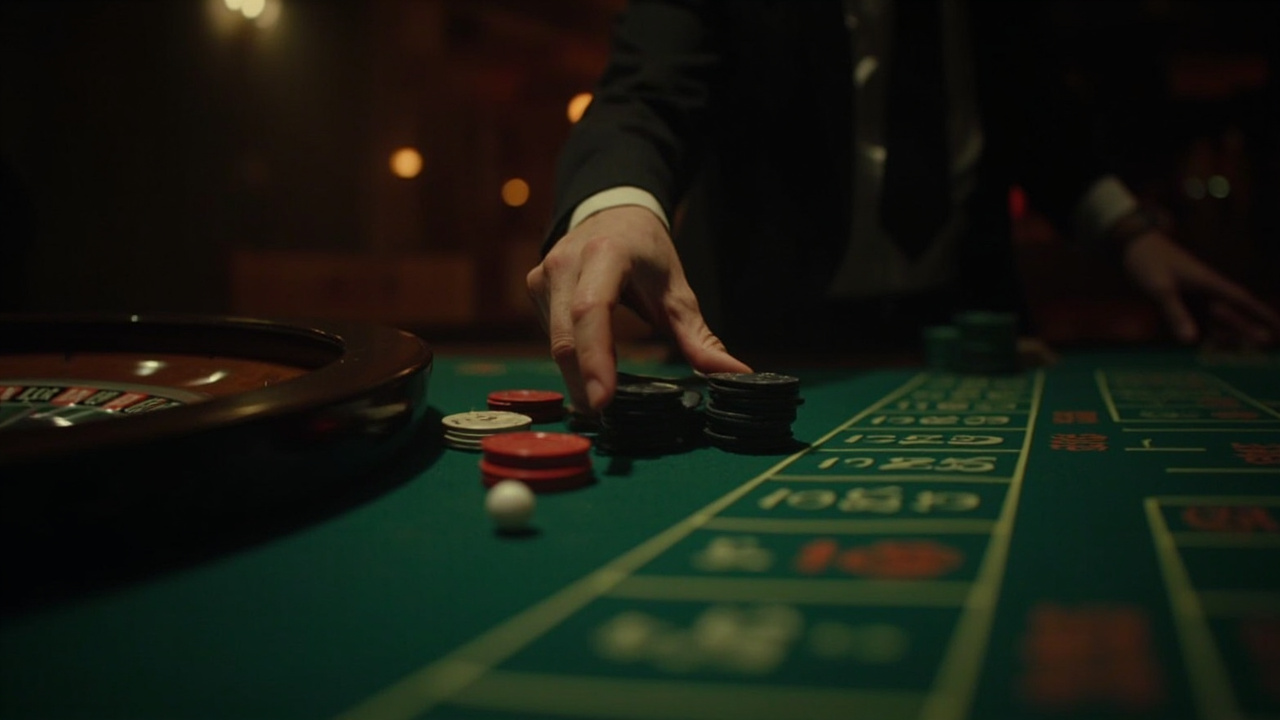
Live poker rewards patience more than speed, and the first thing to notice is what players do when they think no one is watching. A player who stacks chips neatly might be disciplined, or they might be hiding a shake in their hands before a big bet. Someone who suddenly leans back after calling three streets is often uncomfortable with their own hand, even if they act confident. The trick is to establish a baseline for each opponent during the early orbits, then watch for deviations when the pot gets meaningful. A quiet player who suddenly starts talking loudly is often trying to sell a story, while a talkative regular who goes silent on the turn is usually holding something they want to keep buried. These are the moments where poker tells explained properly separate guesswork from actual reads.
Live Signals and Digital Timing
Physical Habits That Matter
Physical tells are easiest to spot when the stakes rise and players forget to maintain their cover. Watch the hands rather than the face, because hands control the chips and the bets. A player who hesitates before pushing chips forward is often unsure, whereas a smooth, automatic motion usually indicates a prepared line. Breathing changes matter too; a sharp intake of breath before a call can signal surprise at the board, not confidence. The key is consistency - if a regular always taps their pen on the felt, that habit means nothing until it stops during a critical decision. Local players around Western Sydney often develop idiosyncratic quirks after years in the same card rooms, so learning those patterns pays off faster than reading generic advice. crocoplay login australia
Timing Patterns in Digital Play
Online play strips away most physical leakage, so timing becomes the primary signal. A quick check on the turn after a long think on the flop often means the player missed their planned line and is reacting rather than acting. Conversely, a sudden delay before a large raise can indicate a genuine decision rather than a scripted bluff. Software dashboards at reputable platforms surface these timing patterns in session logs, which helps serious players review their own leaks as well as opponents. If you are studying poker tells explained across both formats, the discipline is identical: log the pattern, verify it across multiple hands, then act only when the sample is large enough to matter.
| Signal Type | What to Watch | Likely Meaning |
|---|---|---|
| Hand motion | Smooth vs. hesitant chip push | Prepared line vs. uncertainty |
| Breathing | Sharp intake before call | Surprise at board texture |
| Verbal shift | Quiet player starts talking | Selling a story, often weak |
| Timing delay | Long think then quick check | Missed planned line, reactive |
Matching Tells to Your Play Style
Not every read suits every player, and forcing a tell-based strategy onto a tight, mathematical style usually creates more problems than it solves. Recreational players benefit most from spotting obvious leaks in opponents who overplay their hands, while regulars need to track timing and bet sizing across sessions to find genuine edges. The practical question is whether you have the discipline to watch without acting on every flutter of a hand. When the pot is small, most tells are noise; when the pot is meaningful, the same signals carry real weight. That distinction matters because chasing every twitch burns bankroll faster than ignoring the whole exercise.
Practical Limits and Real Expectations
Even the sharpest read fails when the board runs out of sequence or an opponent simply has the goods. Poker tells explained well never promise certainty, because variance and hidden information always remain part of the game. Treat tells as one input among many, alongside position, range, and stack depth, rather than as a standalone crystal ball. The players who last are the ones who use observation to narrow possibilities, not to eliminate them entirely.
What This Means for Your Next Session
If you are planning to sit down this week, start by watching two orbits without committing much capital. Note who talks when, who hesitates before betting, and who changes their rhythm when the pot grows. Those observations build a working map of the table long before you need to act on it. The same discipline applies whether you are playing locally or logging in from home after a long shift.
For players who want to move between live sessions and digital tables without losing their observation habits, a smooth crocoplay login australia keeps the transition straightforward and the account details consistent across devices. The interface keeps your recent sessions visible, the currency displays in dollars where expected, and the navigation stays close to what regulars already recognise from other local platforms.
Verdict
Poker tells explained properly reward patience, consistency, and a willingness to ignore cheap drama. Focus on baseline behaviour, verify patterns across multiple hands, and treat every read as a probability rather than a guarantee. That approach keeps your play grounded, your bankroll intact, and your decisions clear when the pressure rises.